Astronaut Profession Machine
First Impressions: A Friendly, Confident Space Theme
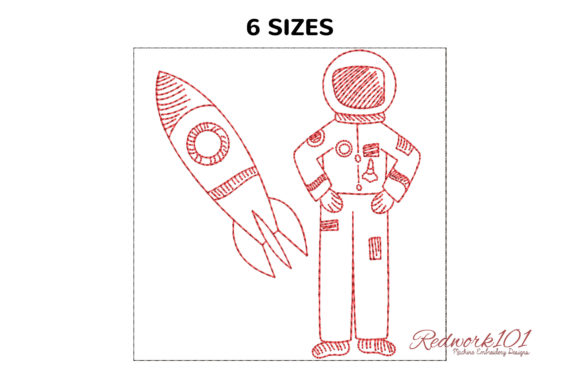
When I opened the Astronaut Profession Machine embroidery file, I didn’t see a cliché rocket or cartoonish helmet—I saw a clean, grounded representation of curiosity and purpose. The astronaut figure is stylized but respectful: balanced proportions, subtle contour lines, and just enough detail to read clearly at 3–4 inches tall. It carries a quiet professionalism—not playful, not overly technical—making it ideal for real-world use rather than novelty-only projects. The theme feels inclusive and aspirational, which matters when you’re stitching for kids’ onesies, teacher appreciation gifts, or boutique apparel.
Real-Life Test Run: Embroidering a Linen Kitchen Towel
Last week, I used Astronaut Profession Machine on a heavyweight natural linen towel for a small shop client launching a “Future Makers” kitchen line. We chose a navy thread on oat-colored fabric—no box stitch, no outer frame—just the core design. The result? Crisp, legible, and surprisingly warm. Customers responded immediately: “That’s my kid,” one parent said. “Feels like pride, not parody.” That reaction tells me this isn’t just another space-themed embroidery file—it’s a storytelling tool with emotional resonance.
Where It Shines (and Where to Pause)
Astronaut Profession Machine works especially well on:
- Medium-to-heavyweight fabrics: Linen, cotton twill, denim, and canvas hold the stitch definition without puckering—even in moderate fill-stitch areas.
- Apparel with structure: Sweatshirts, aprons, and tote bags let the design sit flat and read clearly. On a relaxed-fit crewneck, centered above the pocket, it looked intentional and polished.
- Personalized gifts: Pair it with a name or year (“Maya, Class of 2032”) in a simple sans-serif running stitch below—clean, scalable, and gift-ready.
- Digital product bundles: As part of a “Careers Collection” for Etsy sellers, it adds thoughtful variety alongside nurse, teacher, or engineer designs—no overused tropes, just consistent visual tone.
But here’s where attention matters:
- Small hoop sizes (under 4”): The astronaut’s helmet detail and subtle tool belt rely on fine satin-stitch edges. Below 3.5”, those lines can blur. Always test on scrap first—and consider simplifying or omitting minor accents if scaling down.
- Stretchy or thin fabrics: T-shirts and baby knits need extra stabilizer support. I recommend cutaway + topping for best clarity, especially around the helmet curve and shoulder seam area.
- Dark or textured backgrounds: On black terry cloth towels or heather grey sweatshirts, contrast depends heavily on thread choice. Metallic or high-sheen polyester threads lifted the design; matte cottons faded into the grain. Preview in grayscale mockups before finalizing.
- Curved surfaces (caps, beanies): The design’s horizontal balance means it adapts well—but avoid placing it too close to the crown seam. Centered on the front panel, it reads cleanly even with slight distortion.
Design Integrity Meets Commercial Practicality
What makes Astronaut Profession Machine stand out among work-themed embroidery files isn’t just its subject—it’s how thoughtfully it balances simplicity and character. There’s no excessive fill stitch density that risks fabric stiffness or thread breakage. No tiny floating elements prone to snagging. No lettering so tight it collapses on low-tension machines. That translates directly to fewer re-runs, faster turnaround for custom orders, and higher perceived value in finished products.
For Etsy sellers and craft fair vendors, that reliability builds trust. When a customer orders an embroidered baby blanket with Astronaut Profession Machine, they’re not just buying a motif—they’re investing in something that feels *made with care*. And for small shop branding? It quietly reinforces values: exploration, diligence, wonder. Not flashy—but memorable.
Designer Notes You’ll Actually Use
Before stitching your first Astronaut Profession Machine project, do these five things:
- Test on scrap fabric matching your final substrate—especially if using textured weaves or blends.
- Check thread color contrast across both light and dark backgrounds using a quick digital mockup.
- Review stitch density visually: Look for any dense clusters near the astronaut’s visor or tool pouch—if present, consider reducing density slightly in your editing software.
- Confirm hoop size compatibility before digitizing or resizing. If the file includes optional box stitching, decide early whether it supports your aesthetic—or clutters your composition.
- Verify licensing terms before listing finished items for sale or bundling the file digitally. Some versions allow commercial use; others don’t. When in doubt, contact the creator directly.
Final Thought: This Design Earns Its Place
Astronaut Profession Machine doesn’t shout. It doesn’t rely on glitter or gimmicks. What it does—consistently—is elevate handmade products with quiet confidence. Whether stitched on a child’s backpack, a teacher’s tote, or a boutique tea towel, it lands with sincerity. That’s rare in work-themed embroidery files, where symbolism often overshadows execution.
If you’re choosing designs for real projects—not just collections—this one earns its spot in your active folder. Not because it’s trendy, but because it stitches cleanly, sells thoughtfully, and resonates authentically. In a market flooded with space motifs, Astronaut Profession Machine is the one that feels like it belongs.