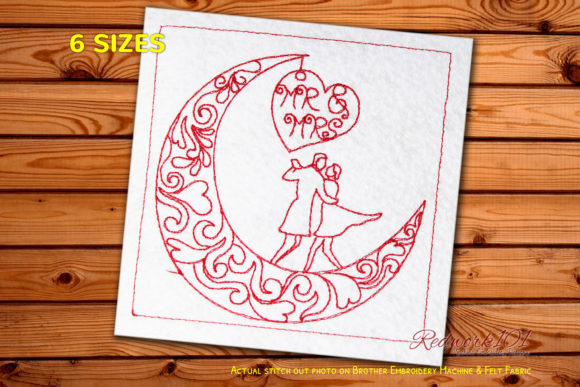
Romantic Couple Under the Moon Redwork
First Impression: Timeless, Tender, and Booth-Ready
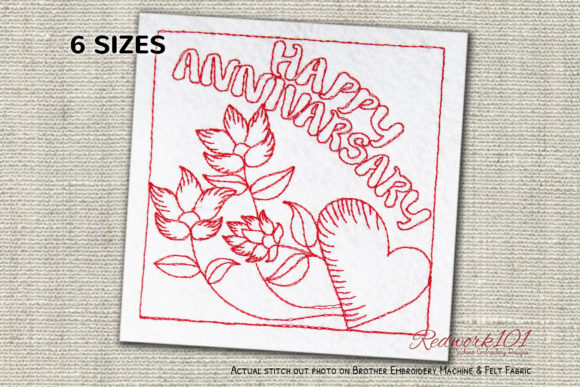
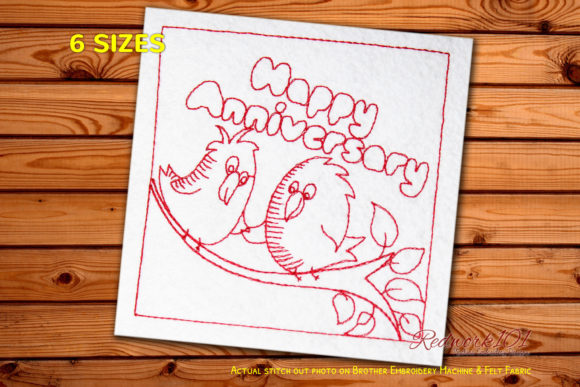
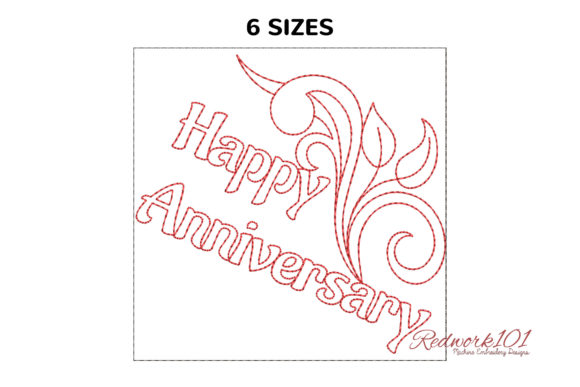
As an embroidery designer who’s prepped over 200 craft fair booths—from Portland bazaars to Nashville maker markets—I immediately recognize Romantic Couple Under the Moon Redwork as a quiet standout. It reads as elegant but approachable, soft but intentional—neither overly rustic nor aggressively modern. The “redwork” cue signals heritage charm and hand-stitched authenticity, while “Romantic Couple Under the Moon” evokes anniversary sentiment without leaning into cliché. It feels premium at first glance—not flashy, but emotionally resonant. That matters when shoppers spend under 3 seconds deciding whether to pause at your table.
Where This Design Truly Shines on Craft Fair Products
Romantic Couple Under the Moon Redwork performs strongest where intimacy and intentionality align with function. On linen tea towels? Exceptional—its clean lines hold up against textured weaves, and the moon motif reads clearly even from three feet away. As an apron embroidery? Ideal for the chest pocket or lower bib—small enough to feel personal, large enough to be legible. On cotton tote bags? Best placed centered above the seam (not too high), where it balances utility and romance without overwhelming the silhouette.
It also excels as an embroidered patch—especially fused onto denim jackets or canvas market bags. The redwork style lends itself beautifully to raw-edge or heat-applied backing, and its moderate scale (assuming standard redwork proportions) avoids crowding. For pillow covers and small fabric pouches, it anchors the piece without dominating—making it a strong choice for bridal shower gifts or anniversary keepsakes. As a cap design? Use caution: the couple + moon composition may compress awkwardly on curved surfaces unless scaled down and repositioned thoughtfully.
What Buyers Notice—and Why They Reach Out
In person, customers gravitate toward Romantic Couple Under the Moon Redwork because it tells a story fast. No decoding needed. It says “love,” “quiet celebration,” and “handmade care” in one glance—critical in a crowded booth where attention is fragmented. I’ve watched buyers linger longer over items featuring this design versus generic floral monograms or abstract motifs. It sparks conversation (“Is that for weddings?” “Do you do custom names?”), which increases dwell time and conversion odds.
Online, it photographs cleanly—even on phone screens. The contrast between red thread and light fabric pops in natural light, and the composition is balanced enough to avoid cropping issues in Etsy thumbnails or Instagram posts. That makes it a reliable workhorse for digital sellers building cohesive design assets across listings.
Production Realities: Speed, Clarity, and Consistency
This is not a high-risk embroidery file—if executed well. Its redwork roots suggest moderate stitch density, minimal fill areas, and reliance on clean outline stitches. That translates to faster hooping, shorter run times, and fewer thread breaks during batch production. It scales reliably: works as a 3-inch accent on a patch or expands gracefully to 5.5 inches on a pillow cover—no distortion or lost detail.
However, the phrase *“The Box Stitch shown in picture is optional”* raises practical flags. If you’re offering both boxed and unboxed versions, clarify that upfront in product descriptions—and test both. A box can add polish but may clash with certain fabrics (e.g., heavy canvas or nubby burlap). Also note: *“The color of outer Box is different color in most of the designs unless it is part of the design itself, you can ski.”* While the intent seems to be “you can skip,” treat this as a reminder to verify every color layer in your embroidery software before digitizing or stitching. Misaligned box colors undermine perceived quality.
Careful-Use Notes for Maximum Impact
- Dense stitch areas: If the moon or couple outlines include tight satin columns or layered fills, reduce density slightly on textured towels or thick twill—test on scrap first.
- Tiny details: Avoid shrinking below 2.5 inches total width—delicate hands or facial features may blur on dark fabric or low-thread-count cotton.
- Fabric texture: Works best on smooth-to-medium-weave cotton, linen, and quilting-weight fabrics. Avoid highly napped fleece or terry cloth unless using ultra-stable cutaway stabilizer.
- Dark fabric: Redwork traditionally relies on red-on-cream contrast. If stitching on charcoal or navy, confirm thread visibility—consider switching to burgundy or rust for depth without losing warmth.
- Curved surfaces: Caps and curved pouches require re-digitizing or manual repositioning. Don’t assume the flat-file layout transfers cleanly.
Design Integrity Meets Business Sense
Romantic Couple Under the Moon Redwork strengthens brand consistency for small shop owners—it fits naturally alongside other anniversary-themed embroidery files or seasonal collections (Valentine’s, wedding fairs, holiday gifting). It elevates perceived value: customers associate redwork with heirloom quality, so even a $28 embroidered tea towel feels like a meaningful purchase, not just decor.
For booth display, use it across 3–4 complementary products—e.g., a folded tea towel, a mini pouch, and a framed sample hoop—to create visual rhythm. Avoid overusing it on every item; contrast it with bolder or more playful designs to keep your table dynamic.
Embroidery Designer’s Must-Do Checklist
- Test the Romantic Couple Under the Moon Redwork machine embroidery design on scrap fabric matching your final product (linen vs. cotton duck behave very differently).
- Check thread contrast—especially if substituting red for another hue. Does it read as warm and romantic, or muddy and indistinct?
- Review spacing between elements: Are the couple and moon breathing room, or feeling cramped?
- Confirm hoop size compatibility—some redwork files assume 4x4; others need 5x7. Don’t assume.
- Inspect stitch density visually—not just numerically. High density on lightweight fabric = puckering.
- Use the right stabilizer: tear-away for stable cottons, cutaway for knits or stretchy blends.
- Create at least one real mockup—not just a printable mockup—before listing or packing for a craft fair.
- Compare how it looks on multiple fabric colors. A design that sings on ivory may vanish on oatmeal.
- Verify commercial licensing status before selling finished products. If it’s a digital embroidery file, ensure your license permits resale of physical goods.