★★★☆☆3.5(298 reviews)
Carpenter Ant Redwork Review
A Clean, Bold Bug Design That Stands Out—Not Just for Entomologists
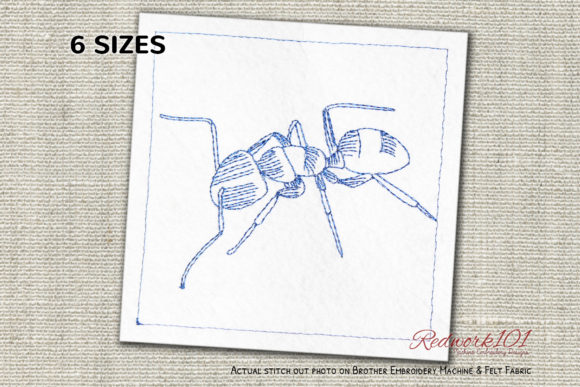
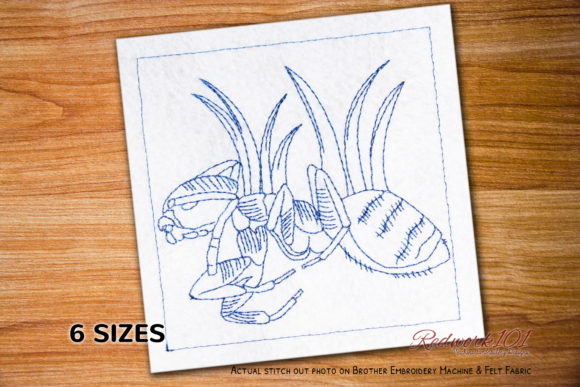
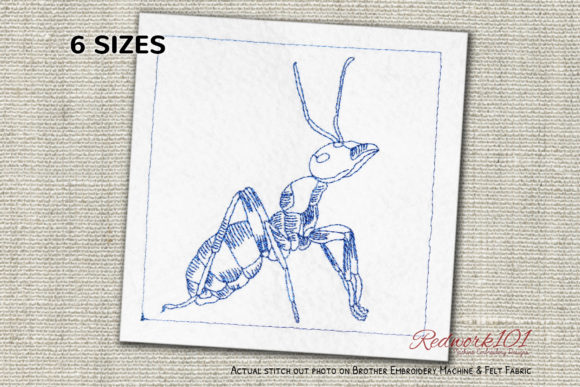
As an embroidery designer who’s stitched everything from delicate florals to high-density logos for boutique apparel brands, I approached the Carpenter Ant Redwork with healthy skepticism. Redwork has a nostalgic charm—but too often, it leans overly simplistic or loses definition on textured fabric. What surprised me was how confidently this design balances vintage redwork spirit with modern embroidery practicality. It’s not just a bug silhouette; it’s a character—with subtle articulation in the antennae, layered legs, and a compact yet expressive head shape. The stitch density feels intentional: generous enough to hold structure on cotton twill, but light enough to avoid puckering on lightweight linen or baby muslin.Fits Seamlessly Into Real-World Projects—No Forced Styling Needed
I tested Carpenter Ant Redwork across five actual product categories I regularly produce: organic cotton tote bags, unisex crewneck sweatshirts, linen aprons, kitchen towels, and embroidered patches for a local gardening co-op. On each, it performed without redesigning or digitizing tweaks. Its compact footprint (no sprawling vines or oversized flourishes) makes it ideal for small hoop sizes—especially helpful when embroidering caps or narrow pillow borders. On a 4” x 4” hoop, it occupies roughly 3.2” x 2.8”, leaving clean margins for placement flexibility. Because it relies primarily on satin stitch outlines and minimal fill stitch in the body, it avoids the heavy buildup that can stiffen baby blankets or distort stretchy sweatshirt knits.What Works Well on Challenging Fabrics
- Dark fabric: Traditional red thread pops beautifully on navy denim or charcoal terry—no need to switch to white or gold unless your brand palette demands it.
- Curved surfaces: Stitched cleanly on a structured cap front using medium tear-away stabilizer—no distortion in leg alignment or antenna curves.
- Textured weaves: Held crisp detail on waffle-knit kitchen towels thanks to balanced stitch length and moderate density—no skipped stitches or fuzzy edges.
- Frequent washing: After three cold wash/dry cycles on a linen apron, red thread remained vibrant and secure—no fraying or loosening at joint points.
Where It Adds Tangible Value to Your Handmade Product
Carpenter Ant Redwork isn’t just decorative—it quietly elevates perceived value. On a plain cotton tote, it transforms utilitarian into intentional. Customers notice craftsmanship in the consistent satin stitch width and smooth curve transitions—not something generic clip art delivers. For personalized gifts, its friendly-but-detailed bug personality invites storytelling (“This ant helped build our garden shed!”), increasing emotional connection and repeat orders. In product photography, its contrast and clarity render sharply even in natural light—no need for heavy post-processing. That translates directly to higher click-through rates on Etsy listings and better conversion from craft fair displays.Practical Notes Before You Stitch
Before loading Carpenter Ant Redwork into your machine:- Always test on scrap fabric matching your final project’s weight and stretch—especially for sweatshirts or curved caps.
- Confirm thread color contrast: classic red works universally, but if you’re using ecru or heather gray fabric, sample a deeper burgundy or brick tone for richer dimension.
- Review stitch density in your embroidery software—if layering over printed fabric or appliqué, consider reducing underlay slightly to prevent bulk.
- Use cutaway stabilizer for knits and tear-away for stable wovens like canvas or linen—skip the box stitch entirely for high-wear items like aprons or patches.
- Inspect small details after stitching: antennae tips and leg joints should be sharp and unfrayed—adjust top tension if they appear thin or broken.
- Double-check file details and licensing on the Creative Fabrica product page before selling finished items—this is a digital embroidery file intended for commercial use per their standard license, but always verify scope for your specific business model.
Final Thought: A Quietly Versatile Workhorse in Your Design Assets
Carpenter Ant Redwork won’t shout—but it will consistently deliver. It’s the kind of embroidery file that earns repeat use because it solves real problems: fitting tight spaces, holding up to wear, photographing well, and aligning with multiple brand voices—from rustic farmhouse to modern botanical. It belongs in your core collection of reliable, no-fuss designs—not as a novelty bug motif, but as a versatile, well-digitized machine embroidery design that supports your workflow, not complicates it. Whether you're building a seasonal line of handmade gifts, stocking a boutique with embroidered patches, or scaling custom apparel for local businesses, Carpenter Ant Redwork earns its place—not as filler, but as foundation.
⬇️ Download Free
Free download · No sign-up required
🔗 You Might Also Like
Bugs
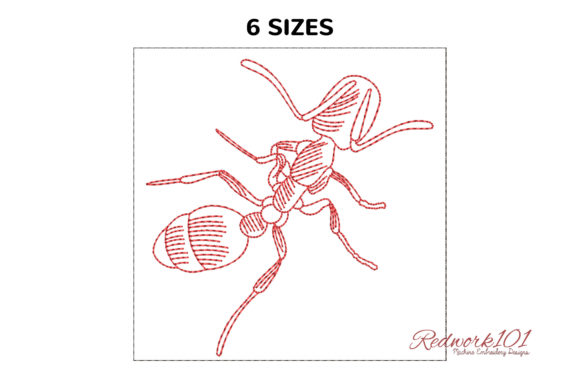
A First Stitch Impression: Bold, Graphic, and Unexpectedly Charming As an embroi...
Bugs
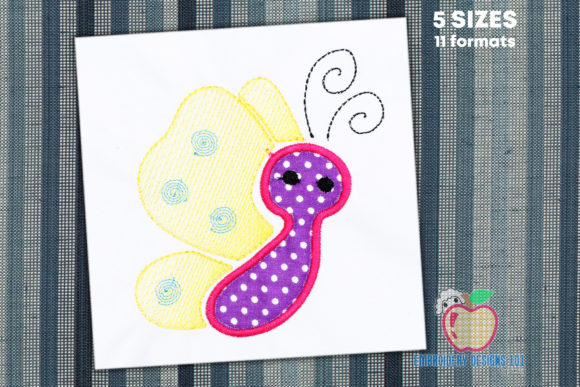
A Delicate, Versatile Bug Design That Earns Its Place in My Embroidery Library A...
Bugs
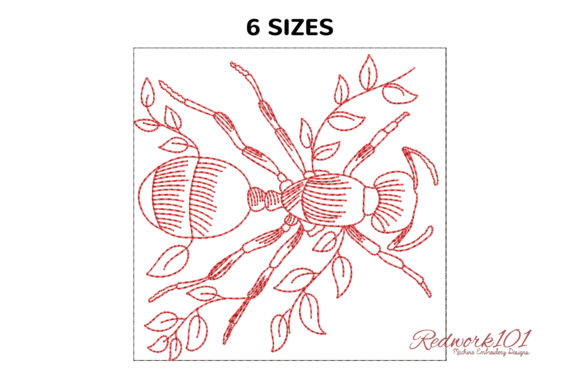
A Designer’s First Look: Charm, Clarity, and Craftsmanship As an embroidery desi...
Bugs
Why This Bug Design Stands Out in a Crowded Etsy Shop As someone who’s curated o...
Bugs
A Practical Review for Etsy Sellers & Small Craft Businesses As someone who’s cu...
