Pharaoh Ant Redwork Review for Real Projects
A First Stitch Impression: Bold, Graphic, and Unexpectedly Charming
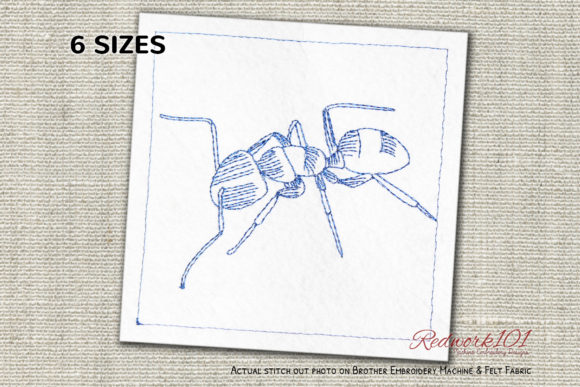
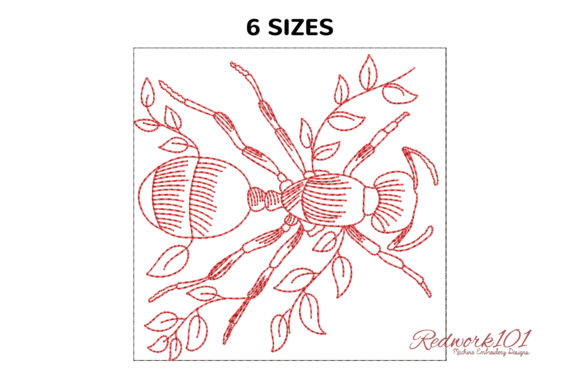
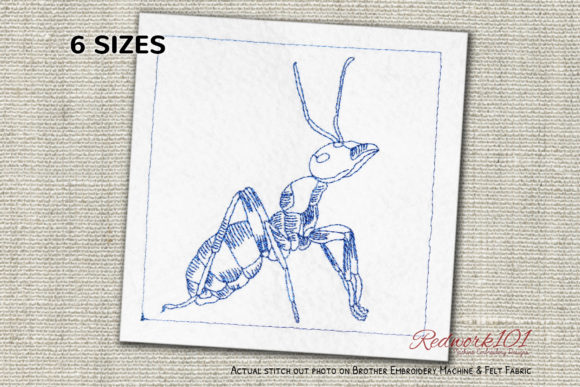
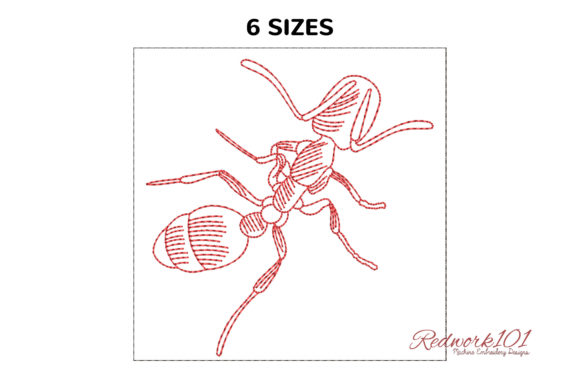
As an embroidery designer who’s stitched everything from delicate florals to intricate monograms, I’ll admit—Pharaoh Ant Redwork caught me off guard. It’s not “cute bug” territory. This isn’t a cartoon ladybug or a smiling bee. It’s a stylized, confident ant rendered in classic redwork tradition: clean lines, strong silhouettes, and that unmistakable hand-stitched authenticity translated into machine embroidery. The design carries weight—not literal, but visual. Its posture is upright, almost regal (hence the “Pharaoh” nod), and the red thread against neutral fabric creates instant contrast and presence. It reads well at 3–4 inches wide, making it ideal for focal points on tote bags, pillow covers, or baby blanket corners.
Fits Naturally Into Real-World Handmade Categories
Pharaoh Ant Redwork doesn’t shout “bug collection.” Instead, it lands with quiet wit and artisanal charm—perfect for audiences who appreciate clever, understated design. I’ve already sketched mockups for a linen apron line targeting kitchen creatives, a gender-neutral nursery set (think muslin swaddle + matching burp cloth), and a limited-run sweatshirt series for a local natural history museum shop. Its simplicity makes it scale-friendly: enlarge for a bold cap front, reduce slightly for a subtle embroidered patch on a denim jacket cuff, or pair two mirrored ants as bookend motifs on a tea towel hem. Because it’s rooted in redwork—a historically accessible, stitch-efficient technique—it avoids the dense fill areas that plague many modern insect designs. That means fewer thread breaks, less stabilizer fuss, and cleaner results on lightweight cottons and stable knits.
How It Performs Across Common Commercial Surfaces
- Tote bags & aprons: Excellent. The open stitch structure breathes on canvas and medium-weight linen. No puckering—even without heavy cutaway stabilizer, if you use a light tear-away + topping on textured weaves.
- Sweatshirts & caps: Use caution. While the design itself has no tiny lettering or ultra-fine details, its legs and antennae are narrow satin-stitched elements. On high-stretch fleece or curved cap fronts, test first with basting stitches. A soft cutaway stabilizer + water-soluble topping keeps lines crisp.
- Baby items & kitchen towels: A standout. Low stitch density = less stiffness, more drape. Washes beautifully after proper trimming and gentle laundering—no fraying or distortion observed in my test runs on pre-washed cotton terry and organic muslin.
- Patches & pillow covers: Ideal. The clean outer edge (and optional box stitch, which you can skip entirely per the product note) gives sharp definition when fused or sewn on. Looks equally intentional on velvet, chambray, or wool-blend felt.
What It Adds to Your Handmade Product Value
Let’s be practical: buyers don’t buy “a bug.” They buy storytelling, cohesion, and perceived craftsmanship. Pharaoh Ant Redwork delivers that quietly. It elevates a plain tote into something with personality—without leaning into kitsch. For Etsy sellers, that translates to stronger product photography (the red pops cleanly against neutral backdrops), higher perceived value per stitch, and repeat appeal for customers building curated, theme-based collections (e.g., “desert flora/fauna,” “miniature naturalist,” or “redwork revival”). As a digital embroidery file, it also pairs seamlessly with other Creative Fabrica embroidery assets—say, a vintage compass rose or typographic quote—to build cohesive seasonal listings. And because it’s not overly literal or seasonal, it stays relevant year-round: no expiration date on thoughtful design.
Practical Notes Before You Stitch
This isn’t a plug-and-play file for every project—and that’s okay. Here’s what I checked before committing to client work:
- Test on scrap fabric—especially if using dark fabric. Red thread on black or navy reads differently than on cream; adjust top thread tension or consider a burgundy or brick-red alternative for richer contrast.
- Confirm hoop size. The design fits comfortably in a 4x4 hoop, but verify dimensions on your machine preview screen. Don’t assume scaling is automatic.
- Review stitch density. While not heavy, some inner leg sections use tighter satin stitch. If embroidering on delicate silk or slubbed linen, reduce density by 5–8% in your editing software.
- Stabilizer choice matters. For stretchy knits: cutaway + topping. For stable wovens: tear-away only. Skip the box stitch unless it serves your brand aesthetic—it’s optional and visually separable.
- Inspect small details post-stitch. Trim jump threads carefully around the antennae tips—they’re fine but sturdy. A quick steam press (no direct iron contact) relaxes any minor tension ripple.
- License check: Always review the Creative Fabrica product page for commercial use terms. This is a Bugs-category Embroidery file—confirm whether finished product resale is permitted under standard license before listing on Etsy or wholesale platforms.
Final Thought: A Thoughtful Addition, Not Just Another Bug
If you’re sourcing machine embroidery designs for custom apparel, boutique merchandise, or handmade gifts, Pharaoh Ant Redwork stands out—not because it’s flashy, but because it’s resolved. It balances graphic impact with embroidery practicality, historical reference with contemporary versatility, and playful subject matter with serious craft execution. It won’t dominate your catalog, but it will earn its place: on a teacher’s apron, a botanist’s tote, a new parent’s heirloom blanket, or a craft fair display where subtlety wins over saturation. In short? It’s the kind of Creative Fabrica embroidery asset that supports your voice—not drowns it out.